How can you safely identify drinking water in nature?
Discover LifestrawSafety

Why drinking water in nature is never inherently safe
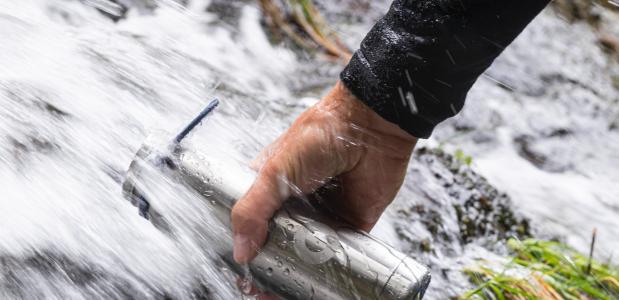
During outdoor activities, water is your most important source of energy. Whether you are on a multi-day trek or spending a day near a forest or mountain range, safe drinking water remains essential. It can sometimes be tempting to take a sip from a clear mountain stream, but even the purest-looking water source can be contaminated with bacteria, parasites, viruses, or chemicals originating from agriculture, industry, or animal areas. That is why it is essential to always stay alert and not simply trust the water you find.

Spring water

How to choose the best natural water source
The location where you find water largely determines how safe it is. Running water is generally less likely to be contaminated than stagnant water. A stream that is clearly flowing and appears to originate from higher ground usually has better water quality than water in ponds, pools, or slow-moving sections of a river. Avoid water near farmland, campsites, or buildings, as the risk of chemical contamination is greater there. Water that is cold, appears clear, and flows well is the best starting point, although filtration is always necessary.

Signals

Signs You Should Avoid a Water Source
Although visual inspection can never provide a complete guarantee, it does help identify sources that are best avoided. Water that has a green haze or in which plants grow excessively may be contaminated with microorganisms or toxic substances. Water that also has an unusual smell, contains oily patches, or is surrounded by many insects and mud is not a reliable choice. Dead fish, animals, or insects in or near the water are clear signs that there is a problem. Water in the immediate vicinity of animal paths or pastures may also contain parasites.

Safety

How to make water safe to drink
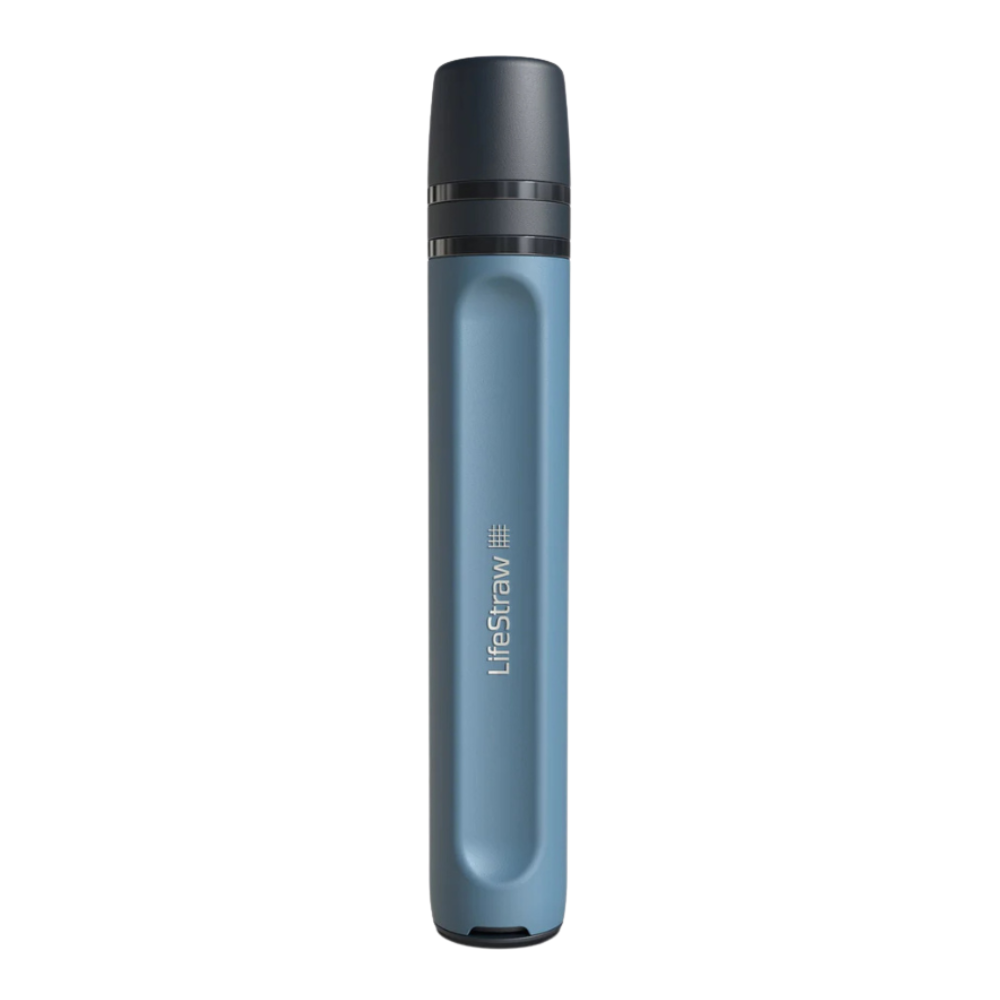
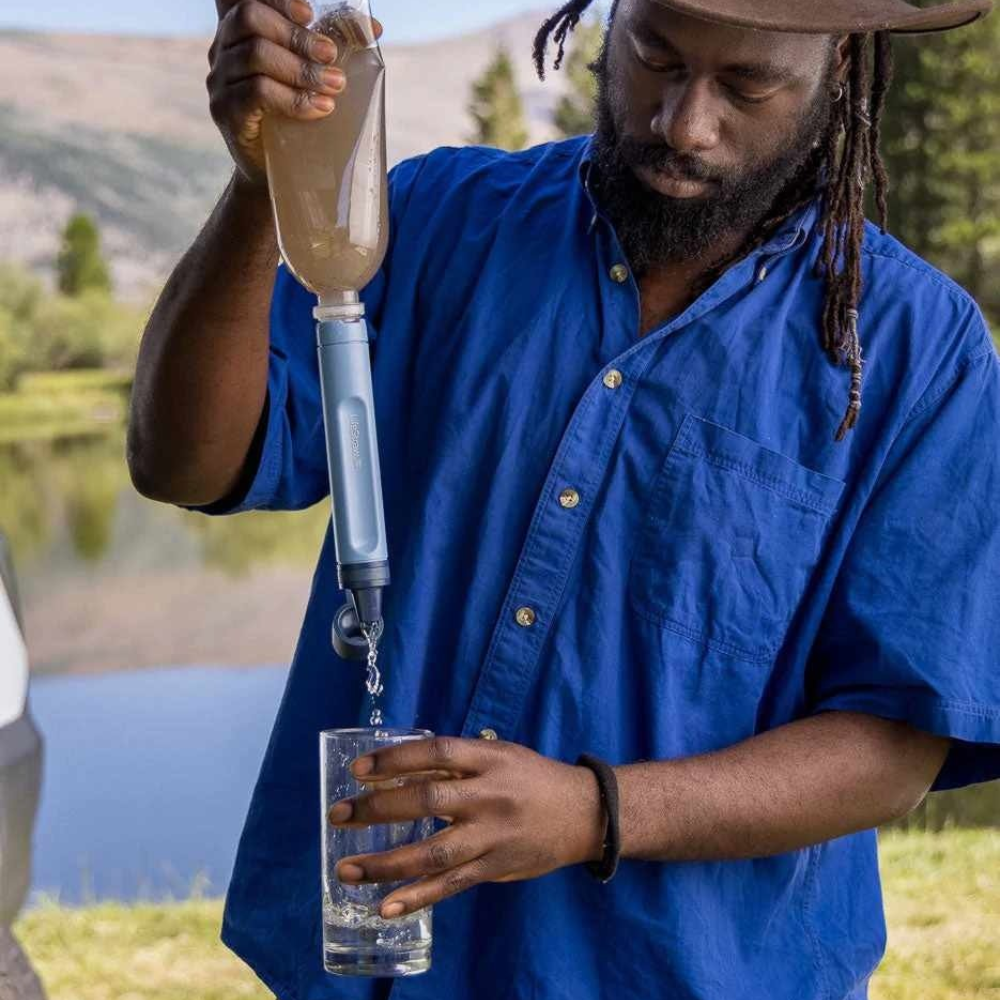
When you collect water from the environment, there are several ways to make it suitable for consumption. For most adventurers, filtering is the most practical option, as a compact filter removes most bacteria and parasites and can be used quickly in many situations. Boiling is another reliable method: boiling water for at least one minute (or three minutes at high altitude) kills pathogens. Chemical tablets or drops can serve as a backup when you don't have a fire or fuel with you. In high-risk areas, a combination of filtering and boiling is the safest approach.

Equipment
Preparation and reliable equipment are essential
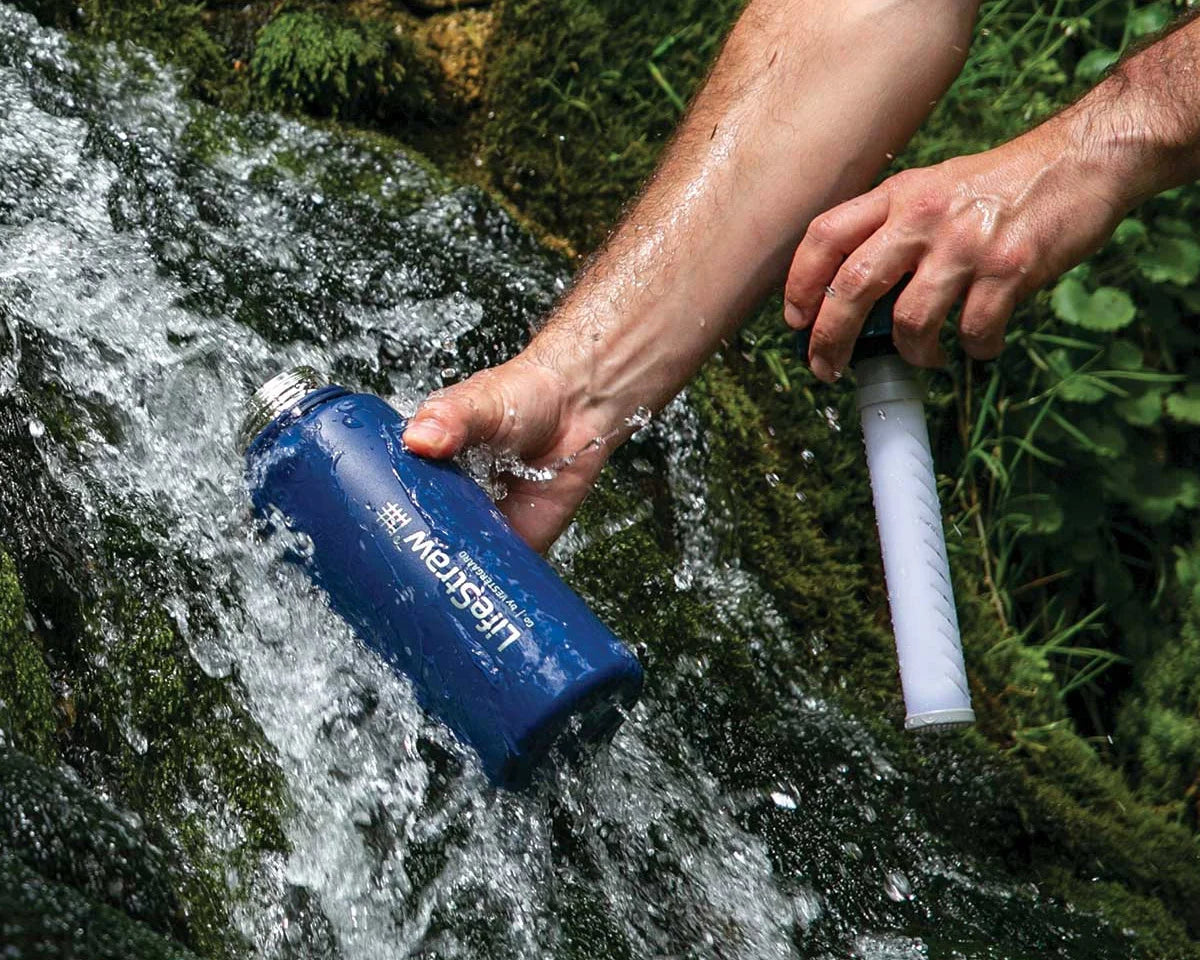
Good preparation will prevent you from running out of drinking water during a trip. Always carry a reliable water filter, along with a sturdy mug or pot so you can boil water if necessary. Keep enough clean water in a durable bottle and refill it regularly whenever you find a suitable source. Never rinse your cooking equipment directly in a water source to avoid contamination. By using water wisely, you can cover longer distances without taking unnecessary risks.
Quality
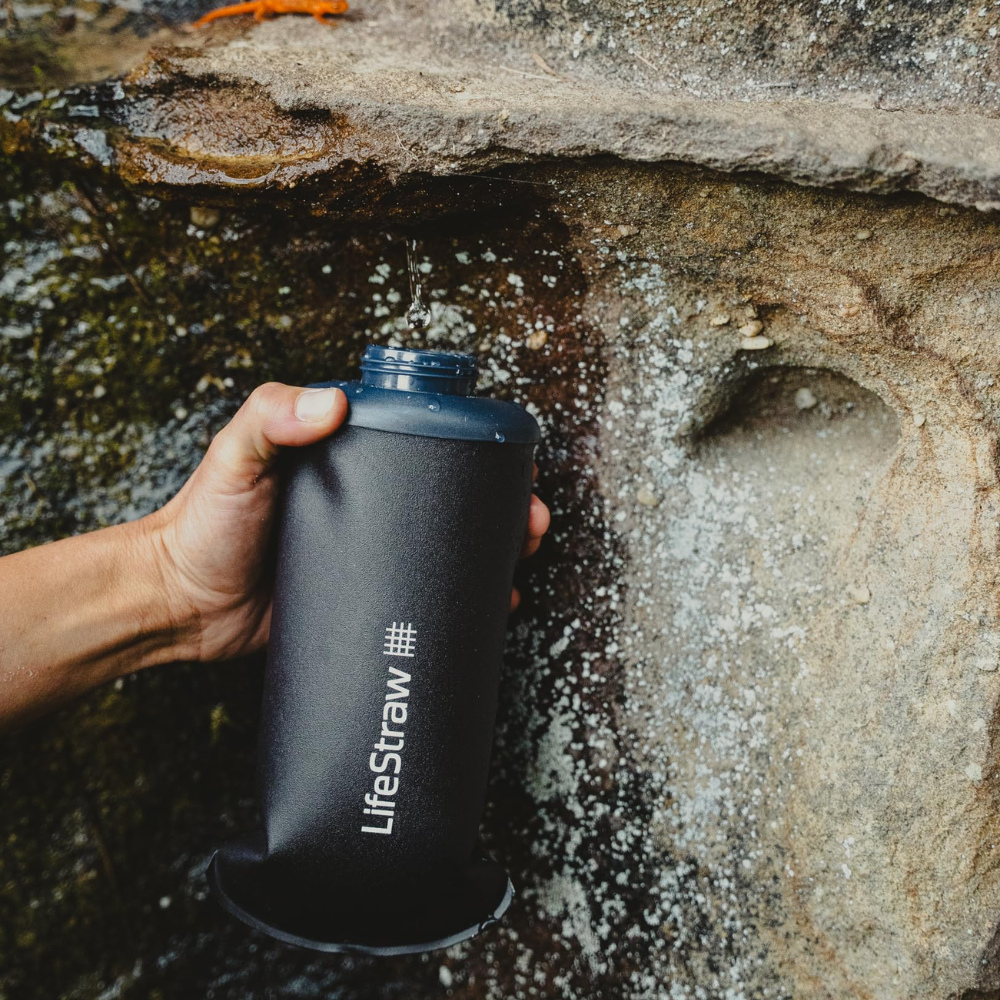
The safest choice if you have doubts about the water quality
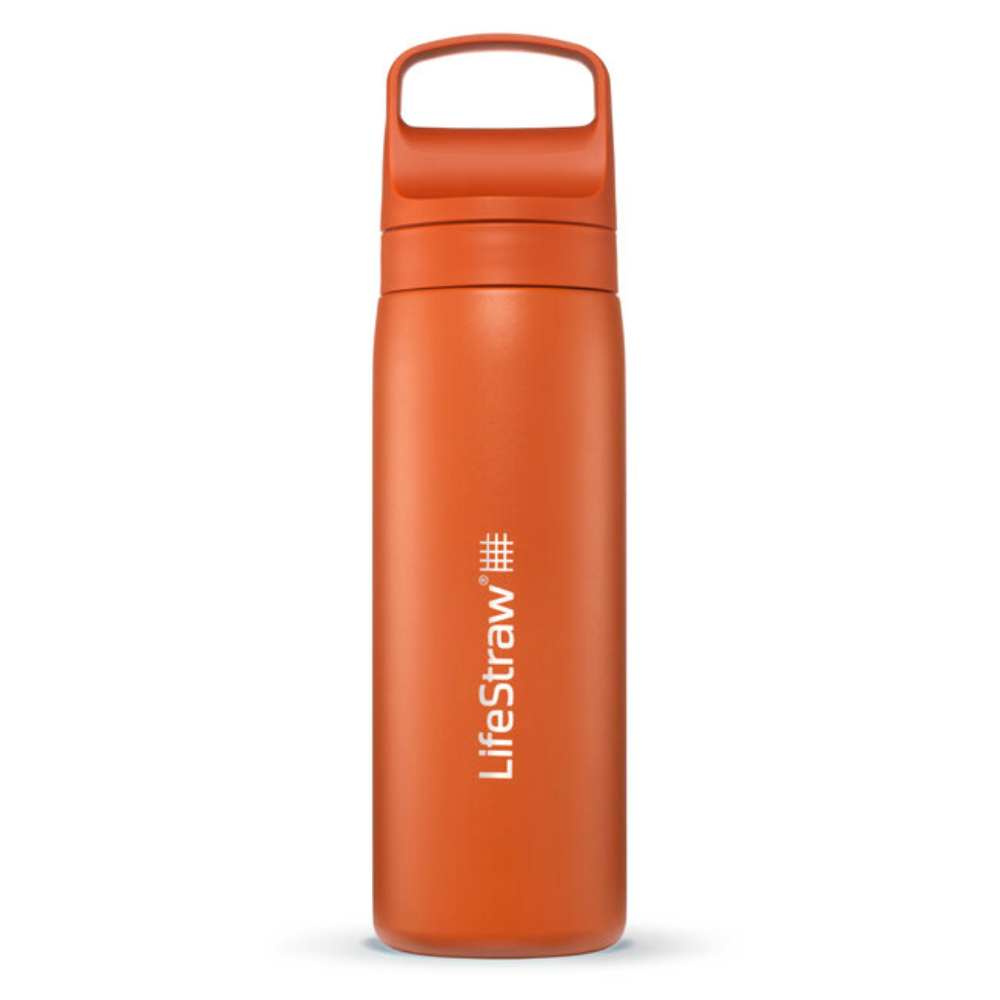
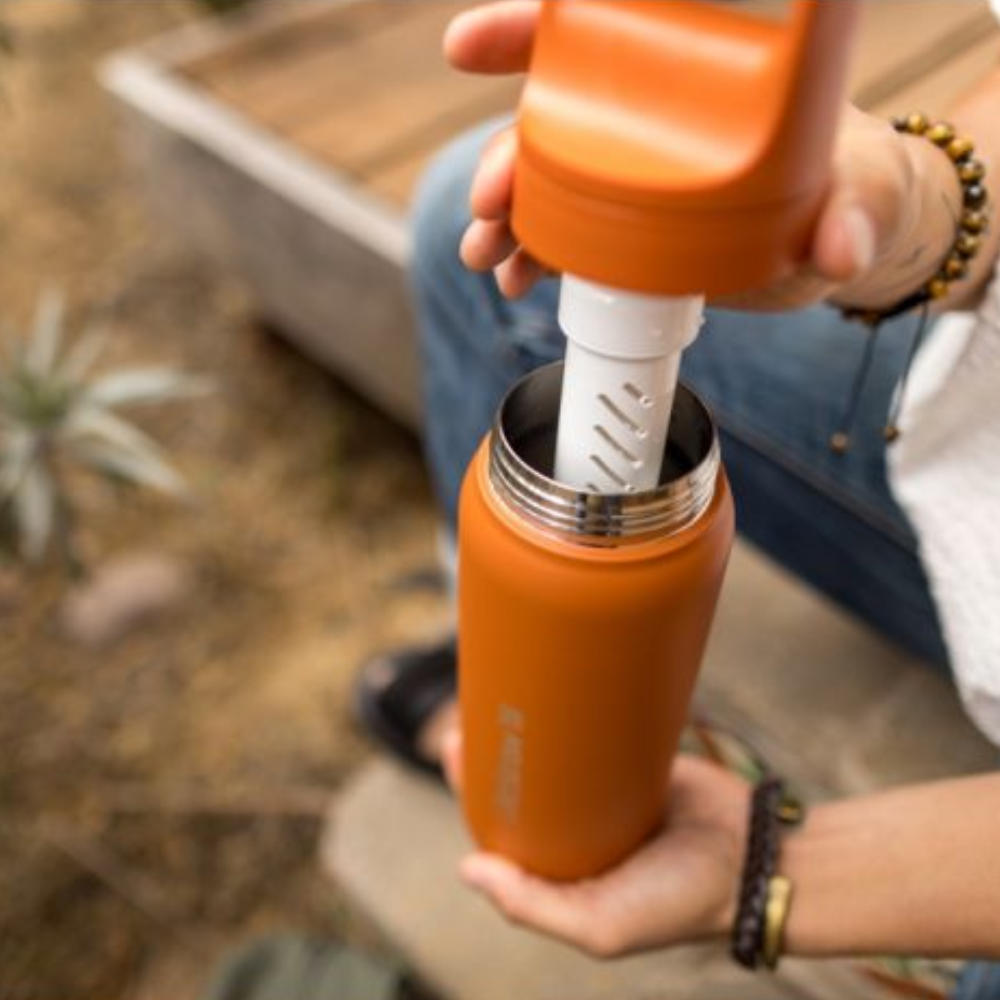
Even with the right knowledge and experience, water from nature remains a risk when you are not completely certain of its quality. In that case, it is always wise to drink from a water filter bottle that directly removes harmful substances and microorganisms from the water. If you have any doubts about a water source, choose water from a LifeStraw bottle with a built-in filter. It provides immediate protection and makes it easy to have safe drinking water on the go.
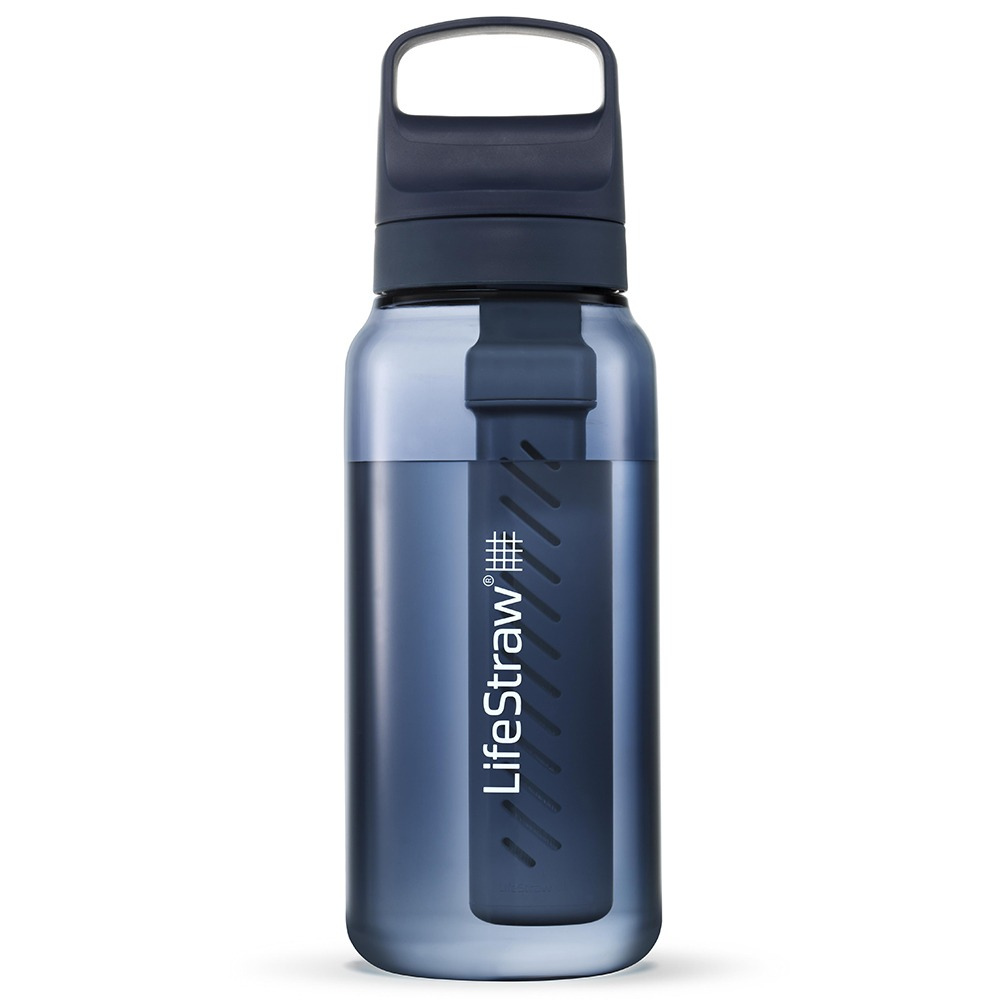
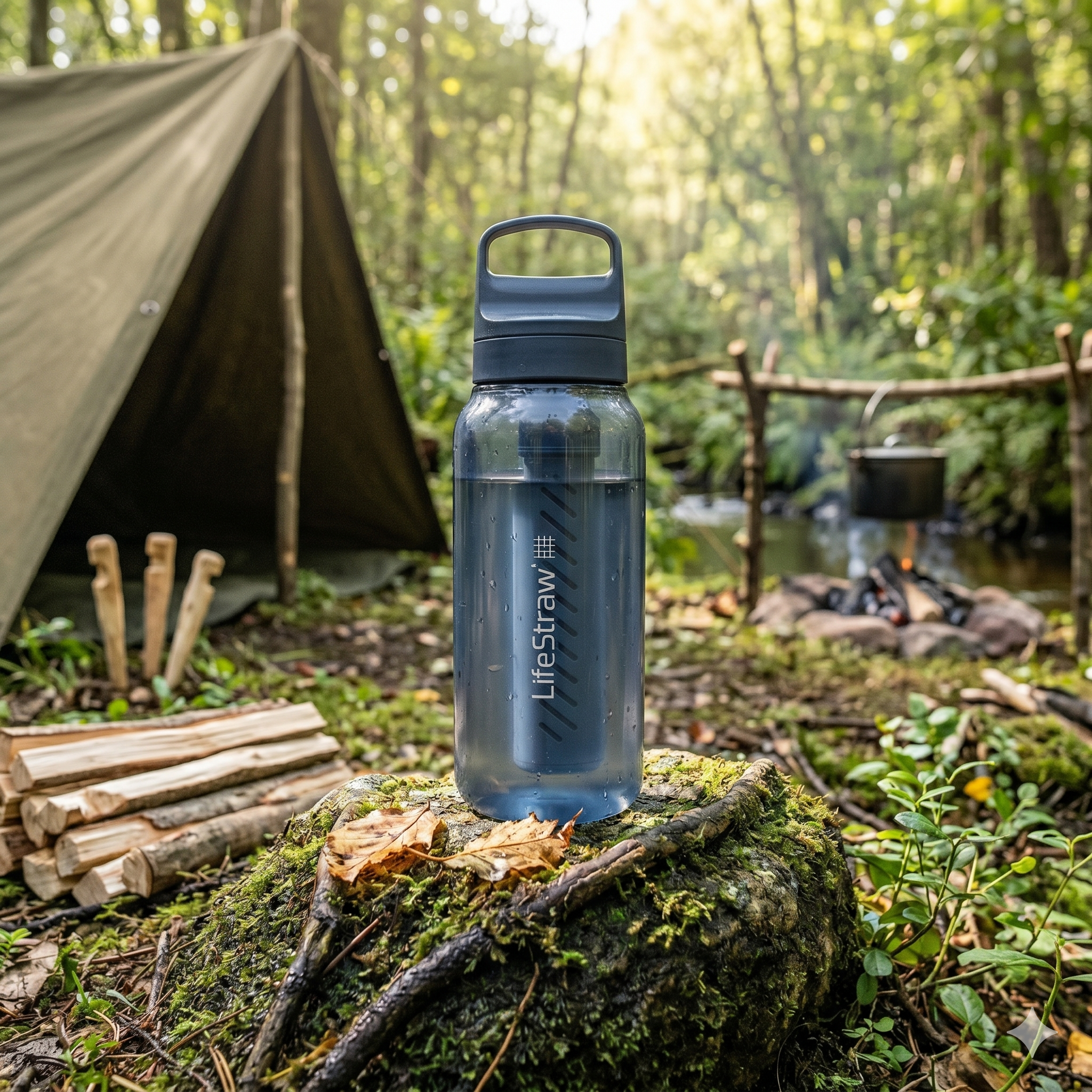
Lifestraw GO 1L - Plastic Water Filter - Drinking Bottle
Regular price
€52,99
Sale price
From €44,99